Kalpakjian & Schmid’s comprehensive 6th Edition offers a detailed exploration of modern manufacturing processes, readily available as a PDF for engineering students and professionals․
This edition emphasizes material science foundations and the latest advancements, providing a solid base for understanding complex engineering applications․
Overview of the 6th Edition

The 6th Edition of “Manufacturing Processes for Engineering Materials” by Kalpakjian & Schmid represents a significant update to a foundational text in the field․ This iteration builds upon previous editions, offering a thoroughly revised and expanded exploration of both traditional and advanced manufacturing techniques․
Available in PDF format, the book provides a detailed examination of casting, forming, machining, and joining processes․ Crucially, it integrates new content reflecting the rapid evolution of manufacturing technologies, including a stronger emphasis on sustainable practices and the principles of Industry 4․0․
Students and professionals alike will benefit from the book’s clear explanations, illustrative examples, and focus on the crucial link between materials science and manufacturing process selection․ The PDF version ensures accessibility and ease of use for modern learners․
Authors: Kalpakjian & Schmid
Serope Kalpakjian and Steven R․ Schmid are highly respected authorities in the field of manufacturing engineering․ Their collaborative work, “Manufacturing Processes for Engineering Materials,” has become a cornerstone text for generations of students and professionals․ Kalpakjian, a prolific author, brings decades of experience in manufacturing research and education to the book․
Schmid complements Kalpakjian’s expertise with a strong background in materials science and engineering․ Together, they have crafted a comprehensive resource that bridges the gap between theoretical knowledge and practical application․ The 6th Edition, available as a PDF, reflects their continued commitment to providing an up-to-date and insightful exploration of manufacturing processes․
Their combined expertise ensures the book remains a vital resource for anyone seeking a deep understanding of the field․
Significance of Understanding Materials and Processes
A thorough understanding of both materials and manufacturing processes is paramount for successful engineering design and production․ The 6th Edition of “Manufacturing Processes for Engineering Materials,” available in PDF format, emphasizes this crucial connection․ Knowing material properties – strength, ductility, and machinability – directly impacts process selection and final product quality․
Effective manufacturing requires optimizing processes to suit specific materials, minimizing defects, and maximizing efficiency․ This text provides the foundational knowledge needed to make informed decisions throughout the entire manufacturing lifecycle․
Furthermore, advancements in materials science necessitate a continuous update of manufacturing techniques, a key focus of this edition․

Core Manufacturing Processes Covered
Kalpakjian & Schmid’s 6th Edition PDF meticulously details essential processes like casting, forming, machining, and joining, providing a robust foundation for engineers․
Casting Processes
Kalpakjian & Schmid’s 6th Edition, available as a PDF, provides an in-depth examination of various casting techniques crucial to manufacturing․ Sand casting, a widely used and versatile method, is thoroughly explained, detailing mold creation and metal pouring procedures․
Furthermore, the text explores die casting, highlighting its precision and suitability for high-volume production․ The PDF resource details the advantages and disadvantages of each process, including material limitations and cost considerations․ Students gain a comprehensive understanding of solidification, gating systems, and potential defects encountered in casting operations․ The book emphasizes the importance of process control for achieving desired mechanical properties and dimensional accuracy in cast components․
Detailed illustrations and examples enhance the learning experience, solidifying the concepts presented․
Sand Casting
As detailed in Kalpakjian & Schmid’s 6th Edition PDF, sand casting remains a foundational manufacturing process․ This method utilizes a sand mold to create desired shapes by pouring molten metal into the cavity․ The text thoroughly explains mold materials, preparation techniques, and the crucial role of binders․
The PDF resource emphasizes the versatility of sand casting, accommodating a wide range of metal types and part sizes․ It also addresses potential defects like porosity and shrinkage, alongside methods for their prevention․ Core making, gating system design, and riser placement are all covered in detail, providing a complete understanding of the process․ Students will learn how to optimize sand casting for cost-effectiveness and desired mechanical properties․
Illustrations within the PDF clarify complex concepts․
Die Casting
Kalpakjian & Schmid’s 6th Edition PDF presents die casting as a precision manufacturing process ideal for high-volume production․ This method forces molten metal under high pressure into reusable metal dies, creating intricate shapes with excellent surface finish․ The PDF details both hot-chamber and cold-chamber die casting, explaining their respective advantages and limitations․
The resource highlights the importance of die design, alloy selection, and process parameters like injection speed and temperature control․ It also addresses common defects such as porosity and cracking, offering solutions for mitigation․ The PDF emphasizes die casting’s suitability for non-ferrous metals like aluminum, zinc, and magnesium, and its applications in automotive and electronics industries․
Detailed diagrams within the PDF illustrate the die casting cycle․
Forming Processes
Kalpakjian & Schmid’s 6th Edition PDF comprehensively covers forming processes, crucial for shaping materials without material removal․ These processes, detailed within the PDF, alter the geometry of workpieces through plastic deformation, utilizing compressive forces․ The text explores various techniques, including rolling, forging, extrusion, and drawing, each explained with detailed illustrations and process parameters․
The PDF emphasizes the impact of material properties, temperature, and lubrication on forming process outcomes․ It delves into the mechanics of plastic deformation, strain hardening, and anisotropy․ Furthermore, the resource highlights the advantages of forming processes – improved strength, grain structure refinement, and material savings – making it essential reading for engineering students and professionals seeking a thorough understanding of these techniques․
Rolling Processes
Kalpakjian & Schmid’s 6th Edition PDF dedicates significant attention to rolling processes, a fundamental metal forming technique․ The PDF details how rolling reduces the thickness of materials by passing them between rotating rolls, achieving desired shapes and properties․ Different rolling methods, like hot and cold rolling, are thoroughly explained, alongside their respective advantages and applications․
The resource explores the mechanics of rolling, including roll geometry, reduction ratios, and the influence of friction․ It also covers specialized rolling processes like thread rolling and profile rolling․ The PDF emphasizes the importance of controlling process parameters to achieve desired material characteristics, such as improved strength and surface finish, making it a vital resource for understanding this critical manufacturing technique․
Forging Processes
Kalpakjian & Schmid’s 6th Edition PDF provides an in-depth examination of forging processes, a crucial shaping method involving compressive forces․ The PDF details various forging techniques, including open-die, closed-die, and upset forging, outlining their specific applications and advantages․ It explains how forging refines grain structure, enhancing the material’s strength and toughness․
The resource thoroughly covers die design, lubrication, and the impact of temperature on forging operations․ It also addresses modern forging advancements, such as precision forging and isothermal forging․ The PDF emphasizes process control for achieving desired geometries and mechanical properties, making it an essential guide for engineers seeking a comprehensive understanding of forging’s role in manufacturing․
Machining Processes
Kalpakjian & Schmid’s 6th Edition PDF dedicates significant coverage to machining, a subtractive manufacturing process vital for precision component creation․ The PDF details fundamental machining principles, tool geometry, and cutting parameters, offering a robust foundation for understanding material removal․ It explores various machining operations, including turning, milling, drilling, and grinding, with detailed illustrations and explanations․
The resource emphasizes the importance of cutting fluids, surface finish, and process optimization․ It also covers advanced machining techniques, such as high-speed machining and micro-machining․ The PDF provides practical insights into selecting appropriate tools and parameters for different materials, making it invaluable for manufacturing engineers․
Turning Operations
The Manufacturing Processes for Engineering Materials 6th Edition PDF provides an in-depth examination of turning, a fundamental machining process․ It details how rotating a workpiece against a cutting tool creates cylindrical shapes․ The PDF explains various turning methods – straight, taper, contour, and form turning – with detailed diagrams illustrating toolpaths and setups․
Kalpakjian & Schmid emphasize the importance of selecting appropriate cutting speeds, feeds, and depths of cut for optimal efficiency and surface finish․ The resource covers single-point cutting tools and their geometries, alongside discussions on tool wear and failure․ The PDF also explores specialized turning operations like threading and knurling, offering a comprehensive understanding of this essential machining technique․
Milling Operations
The Manufacturing Processes for Engineering Materials 6th Edition PDF thoroughly covers milling, a versatile machining process utilizing rotating multi-point cutters․ It details various milling types – face, end, slot, and form milling – with illustrative examples․ Kalpakjian & Schmid explain the impact of cutter geometry, spindle speed, feed rate, and depth of cut on machining performance․
The PDF resource explores different milling machine configurations, including knee-type, turret, and CNC milling machines․ It also discusses advanced milling techniques like climb and conventional milling, highlighting their advantages and disadvantages․ Furthermore, the text details tool materials and coatings, crucial for extending tool life and achieving desired surface finishes, offering a complete understanding of milling principles․
Joining Processes
The Manufacturing Processes for Engineering Materials 6th Edition PDF dedicates significant coverage to joining technologies, essential for assembling engineered components․ Kalpakjian & Schmid meticulously detail both fusion welding and solid-state welding processes, including arc, gas, and resistance welding․ The PDF resource explains the metallurgical principles underlying weld formation and the impact of heat treatment on weld properties․
Beyond welding, the text comprehensively examines brazing and soldering, outlining their applications and advantages for joining dissimilar materials․ It also covers mechanical fastening methods, adhesives, and diffusion bonding․ The PDF provides detailed insights into joint design, quality control, and the selection of appropriate joining techniques based on material compatibility and application requirements․
Welding Techniques
The Manufacturing Processes for Engineering Materials 6th Edition PDF provides an in-depth exploration of diverse welding techniques․ Kalpakjian & Schmid thoroughly explain arc welding processes – shielded metal arc welding (SMAW), gas metal arc welding (GMAW), and gas tungsten arc welding (GTAW) – detailing their principles, equipment, and applications․ The PDF resource also covers resistance welding, including spot, seam, and projection welding, emphasizing process parameters and weld quality․
Furthermore, the text delves into specialized welding methods like laser beam welding and electron beam welding, highlighting their precision and suitability for advanced materials․ The PDF includes detailed illustrations and explanations of welding metallurgy, residual stresses, and distortion control, offering a comprehensive understanding of these critical joining processes․
Brazing and Soldering
The Manufacturing Processes for Engineering Materials 6th Edition PDF comprehensively covers brazing and soldering, essential joining processes distinct from welding․ Kalpakjian & Schmid detail the fundamental principles of these techniques, focusing on filler metal selection, heating methods, and joint design․ The PDF resource explains how brazing utilizes higher temperatures to create strong, yet ductile joints, ideal for dissimilar metals․
Soldering, employing lower temperatures, is presented as suitable for electronic components and delicate assemblies․ The text explores various brazing alloys, fluxes, and atmospheres, alongside soldering techniques like wave soldering and reflow soldering․ Detailed diagrams and explanations of joint strength, corrosion resistance, and applications are included within the PDF․
Advanced Manufacturing Technologies
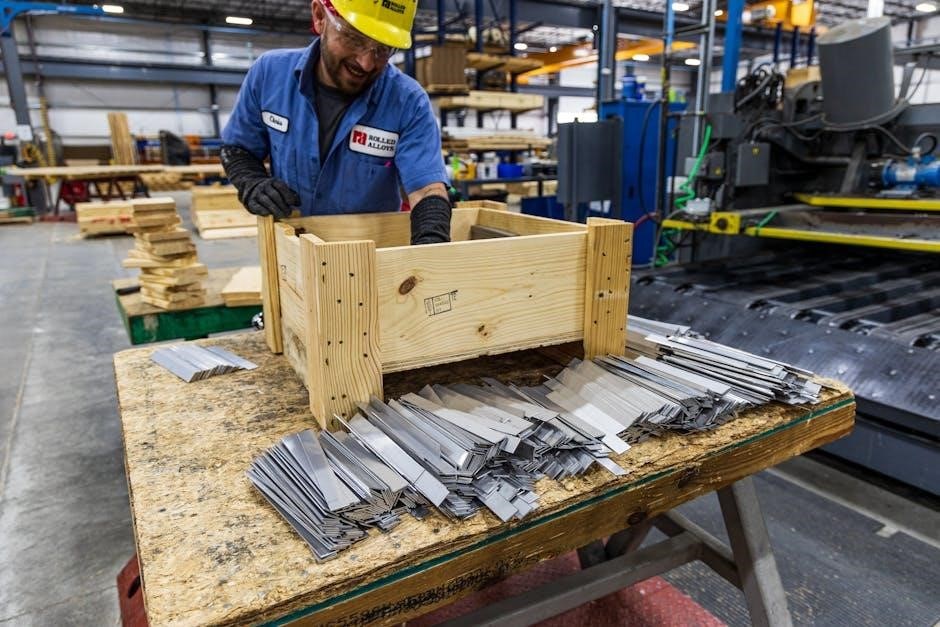
The Manufacturing Processes for Engineering Materials 6th Edition PDF details cutting-edge technologies like CNC machining and 3D printing, revolutionizing production methods․
Explore SLS and FDM processes within this comprehensive digital resource․
Computer Numerical Control (CNC) Machining
CNC machining, thoroughly covered in the Manufacturing Processes for Engineering Materials 6th Edition PDF, represents a pivotal advancement in automated manufacturing․ This technology utilizes pre-programmed computer instructions to control machine tools, enabling precise and repeatable production of complex geometries․
The 6th edition details various CNC operations, including milling, turning, and drilling, highlighting the benefits of increased accuracy, efficiency, and reduced labor costs․ It explores the role of G-code and CAD/CAM software in generating toolpaths and controlling machine movements․ Furthermore, the text examines the integration of CNC technology with other manufacturing processes, showcasing its versatility and adaptability in modern production environments․ Understanding CNC is crucial for any engineering professional seeking to optimize manufacturing workflows and achieve high-quality results․
Additive Manufacturing (3D Printing)
The Manufacturing Processes for Engineering Materials 6th Edition PDF dedicates significant attention to Additive Manufacturing (3D Printing), a revolutionary technology transforming product development and production․ This section details how materials are built layer-by-layer from a digital design, offering unparalleled design freedom and customization possibilities․
The text explores key 3D printing processes like Selective Laser Sintering (SLS) and Fused Deposition Modeling (FDM), outlining their respective advantages and limitations․ It also covers material considerations, post-processing techniques, and emerging applications across diverse industries․ The 6th edition emphasizes the impact of additive manufacturing on supply chains, prototyping, and mass customization, providing a comprehensive understanding of this disruptive technology for aspiring and practicing engineers․
Selective Laser Sintering (SLS)
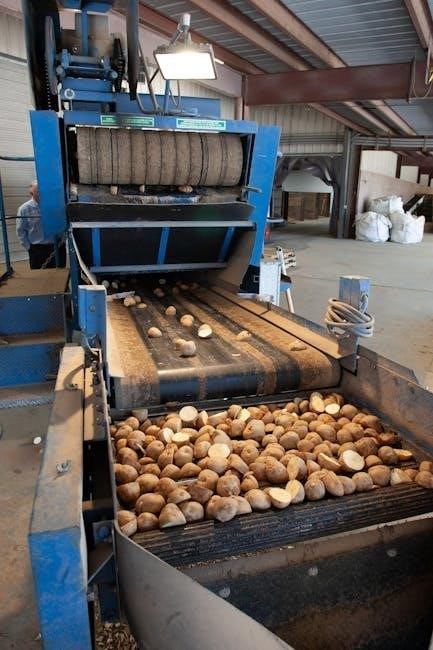
As detailed in the Manufacturing Processes for Engineering Materials 6th Edition PDF, Selective Laser Sintering (SLS) is a prominent powder bed fusion technique․ This process utilizes a high-powered laser to selectively fuse powdered materials – typically polymers, but also metals, ceramics, and composites – layer by layer․
The text explains how SLS offers complex geometries without support structures, due to the unfused powder providing inherent support․ It delves into the process parameters, material properties achievable, and typical applications, including functional prototyping and low-volume production․ The 6th edition highlights advancements in SLS, such as improved laser control and material development, making it a viable option for increasingly demanding engineering applications․
Fused Deposition Modeling (FDM)
The Manufacturing Processes for Engineering Materials 6th Edition PDF extensively covers Fused Deposition Modeling (FDM), a widely used additive manufacturing technique․ This method involves extruding thermoplastic filaments through a heated nozzle, building parts layer by layer based on a digital model․
The text details the process parameters influencing part quality, such as nozzle temperature, layer height, and printing speed․ It explains the range of materials compatible with FDM, including ABS, PLA, and nylon, and their respective properties․ The 6th edition emphasizes FDM’s accessibility and cost-effectiveness, making it ideal for prototyping and customized production, while also discussing recent advancements in material development and multi-material printing capabilities․
Micro- and Nano-Manufacturing
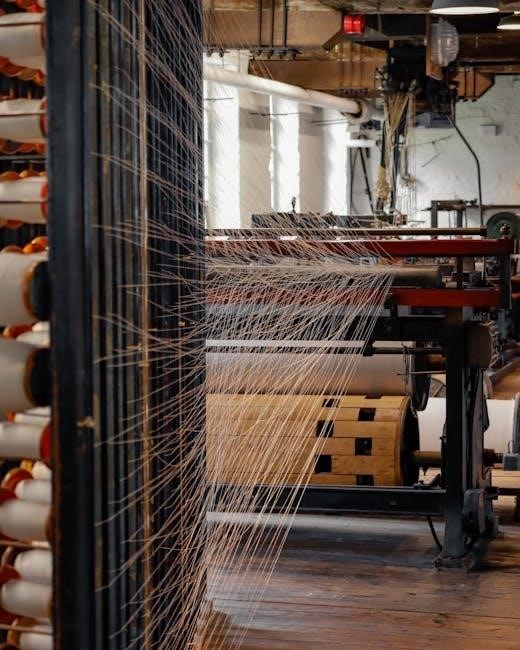
The Manufacturing Processes for Engineering Materials 6th Edition PDF dedicates significant attention to Micro- and Nano-Manufacturing, reflecting the growing importance of these technologies․ It details processes for creating features at the micrometer and nanometer scales, crucial for industries like MEMS, biomedical devices, and electronics․
The text explores techniques like focused ion beam milling, nanoimprint lithography, and micro-electro-mechanical systems (MEMS) fabrication․ It emphasizes the unique challenges associated with scaling down manufacturing processes, including surface effects and material behavior․ The 6th edition highlights the advancements in precision machining and the development of novel materials for micro and nano-scale applications, offering a comprehensive overview of this rapidly evolving field․

Materials Science Foundations in Manufacturing
The Manufacturing Processes for Engineering Materials 6th Edition PDF provides solid foundations in thermodynamics and mechanical properties, essential for informed material selection․
Thermodynamics and Phase Transformations
Kalpakjian & Schmid’s 6th Edition deeply integrates thermodynamics and phase transformations into the context of manufacturing processes, as detailed in the accessible PDF version․
Understanding these principles is crucial for controlling material behavior during processes like casting, forming, and heat treatment․ The text explains how thermodynamic principles dictate material stability and influence phase diagrams, directly impacting the final product’s microstructure and properties․
This edition emphasizes how phase transformations – solid-liquid, solid-solid, and others – are manipulated to achieve desired material characteristics․ Students gain insights into predicting and controlling these changes, optimizing manufacturing outcomes and ensuring product quality․ The PDF offers a comprehensive resource for mastering these fundamental concepts․
Mechanical Properties of Engineering Materials
The 6th Edition of Kalpakjian & Schmid’s Manufacturing Processes for Engineering Materials, conveniently available as a PDF, provides a thorough examination of mechanical properties vital for successful manufacturing․
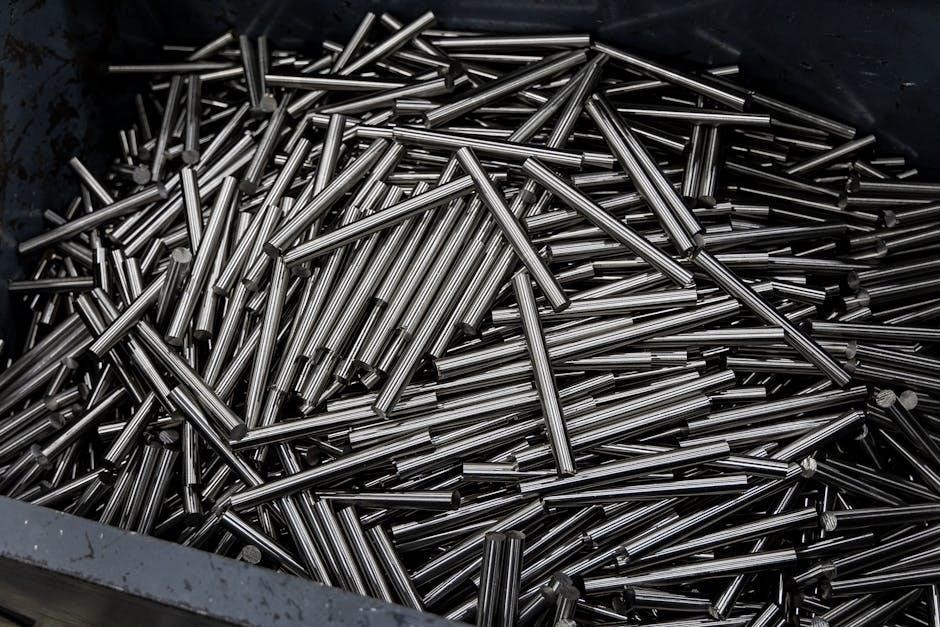
This includes detailed coverage of tensile strength, yield strength, ductility, hardness, and toughness – all critical factors influencing a material’s performance during and after processing․ The text explains how these properties are measured, interpreted, and related to a material’s microstructure․
Understanding these characteristics is essential for selecting appropriate materials and optimizing manufacturing parameters․ The PDF resource emphasizes the interplay between processing techniques and resulting mechanical behavior, enabling informed decision-making for engineers and designers․
Material Selection for Specific Manufacturing Processes
The 6th Edition of Manufacturing Processes for Engineering Materials, accessible as a PDF, dedicates significant attention to material selection, a crucial aspect of efficient manufacturing․ Kalpakjian & Schmid expertly guide readers through the considerations for choosing the optimal material based on the intended manufacturing process․
The PDF details how factors like castability, formability, machinability, and weldability influence material choices for processes like casting, forming, machining, and joining; It highlights the importance of understanding material limitations and capabilities to avoid defects and ensure product quality․
This edition provides practical guidance, enabling engineers to make informed decisions and optimize both product performance and manufacturing costs․
Recent Advancements & Updates in the 6th Edition
The PDF version of the 6th Edition incorporates sustainable manufacturing practices and Industry 4․0 concepts, reflecting the evolving landscape of engineering materials․
Focus on Sustainable Manufacturing

Kalpakjian & Schmid’s 6th Edition, accessible as a PDF, significantly expands its coverage of sustainable manufacturing principles․ This updated focus addresses the growing need for environmentally responsible production methods within engineering․
The text delves into minimizing waste generation, optimizing material utilization, and reducing energy consumption throughout various manufacturing processes․ It explores lifecycle assessments and the implementation of green technologies․
Furthermore, the PDF edition highlights the importance of designing for disassembly and recyclability, promoting a circular economy approach․ Students gain insights into eco-friendly materials and processes, preparing them for a future demanding sustainable engineering solutions․ This edition reflects a commitment to responsible innovation․
Integration of Industry 4․0 Concepts
The 6th Edition of Kalpakjian & Schmid’s Manufacturing Processes for Engineering Materials, available as a PDF, demonstrates a strong commitment to integrating Industry 4․0 principles․ This edition explores the transformative impact of technologies like the Internet of Things (IoT), cloud computing, and big data analytics on modern manufacturing․
The text details how these advancements are revolutionizing process control, predictive maintenance, and supply chain management․ It examines the role of digital twins and simulation in optimizing production efficiency․
Students accessing the PDF will gain a comprehensive understanding of smart factories and the future of automated manufacturing, preparing them for the evolving landscape of engineering and technology․