Psilocybin mushrooms, known for their psychoactive compound, are found worldwide. They range from small, white caps to larger brown species, often thriving in grassy or decaying wood habitats. Their cultural history spans indigenous rituals to modern therapeutic research.
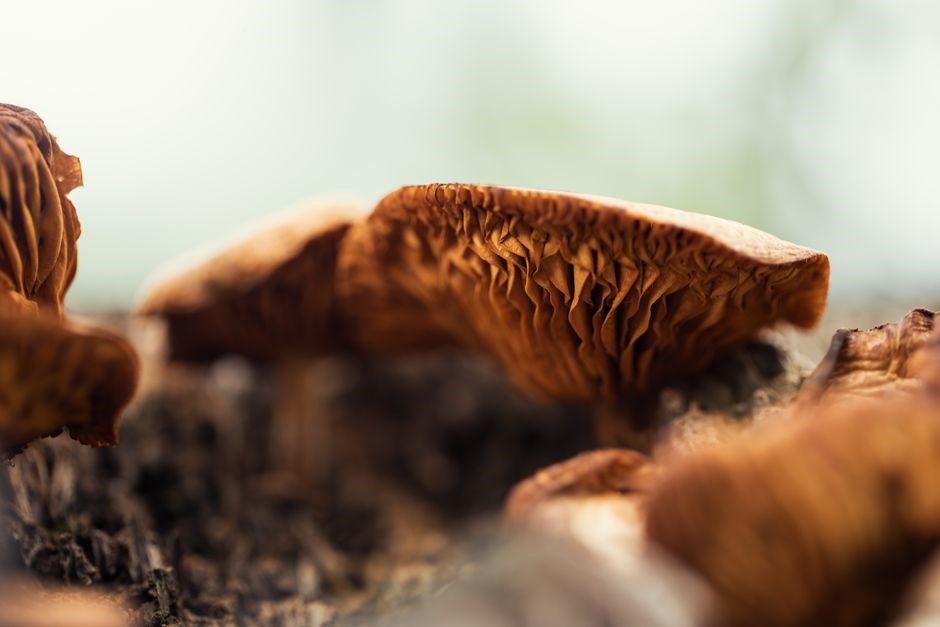
Taxonomy and Global Distribution
These fungi belong to the genus Psilocybe, with over 200 species worldwide. They thrive in temperate, tropical, and subtropical zones, especially in grasslands, dung, and decaying wood across North America, Asia, and Africa.More.
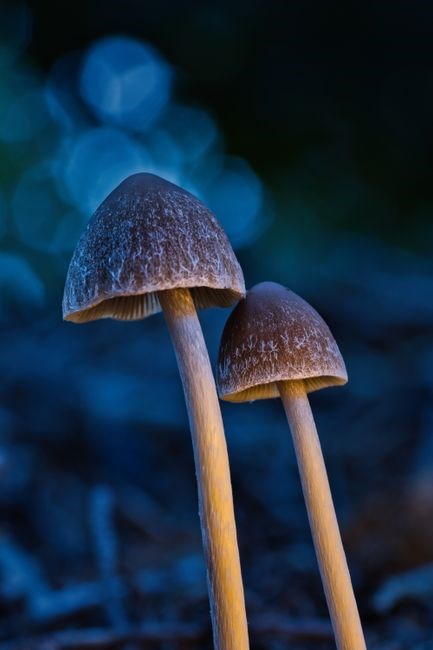
Major Genera and Species
Within the Psilocybe genus, the most studied species include P. cubensis, P. semilanceata, and P. cyanescens. These species differ in spore color, cap morphology, and habitat preference. P. cubensis is prized for its high psilocybin content and is cultivated worldwide, often found in tropical and subtropical grasslands. P. semilanceata, the liberty cap, is common in temperate regions, thriving on dung and rich soils. P. cyanescens is notable for its blue‑tinged stem and strong potency, typically growing in woodchips and compost. Other genera containing psilocybin species include Gymnopilus and Inocybe, though these are less commonly encountered. Identification hinges on microscopic spore size, cap surface texture, and the presence of a blue bruising reaction when the flesh is handled. Ongoing genomic studies continue to refine species boundaries, revealing cryptic diversity within the genus and guiding conservation efforts.
Such data underpin biodiversity assessments, guiding research and fungal management care now.
Accurate records ensure compliance and facilitate research.
This practice safeguards scientific integrity trust.
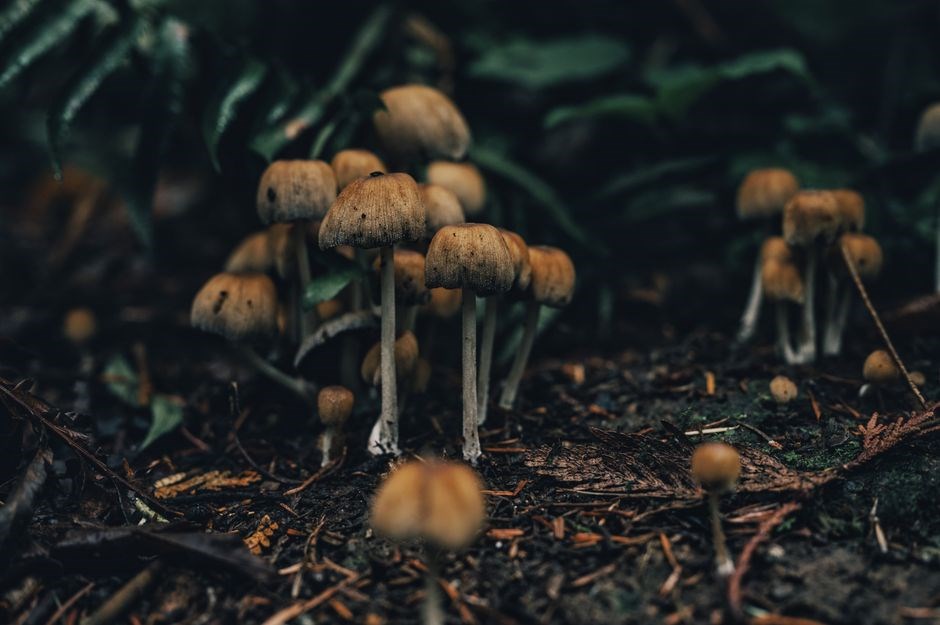
Geographic Hotspots
Psilocybin fungi flourish in diverse climates, with distinct biogeographic clusters. In the Americas, the high‑altitude Andean valleys host P. cyanescens and P. semilanceata, while lowland tropical forests in Mexico and Central America support prolific P. cubensis populations, often linked to traditional ceremonial use. Europe’s temperate zones, especially the British Isles, harbor P. semilanceata on grasslands and dung, whereas the Mediterranean basin favors P. cyanescens in woodchip substrates. In Asia, the humid monsoon regions of India and Southeast Asia contain rare P. cyanescens and P. cubensis in disturbed soils. The southern hemisphere’s temperate rainforests of New Zealand and Tasmania provide suitable niches for P. cyanescens and P. semilanceata. Urban green spaces in North America have increasingly reported P. cubensis colonizing lawns and parks, reflecting anthropogenic dispersal. These hotspots illustrate the ecological versatility of psilocybin species and underscore the importance of habitat‑specific conservation and accurate field documentation.
Notably, the Amazon basin’s lowland rainforests host psilocybin taxa, while the Pacific Islands’ volcanic soils nurture species adapted to humidity. These ecological niches highlight the adaptive radiation of psilocybin fungi biomes, underscoring need!!!conservationresearch.
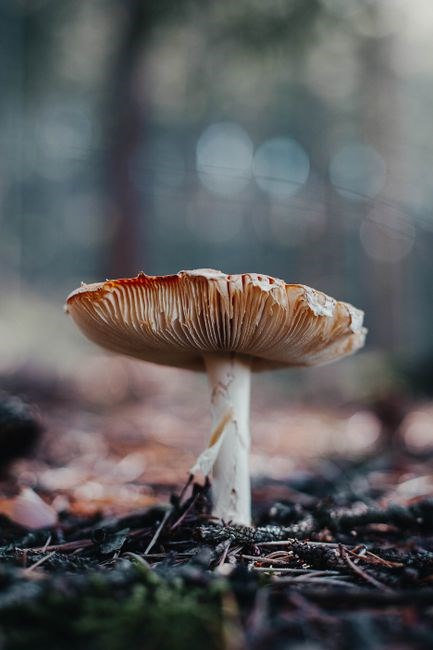
Morphological Identification Features
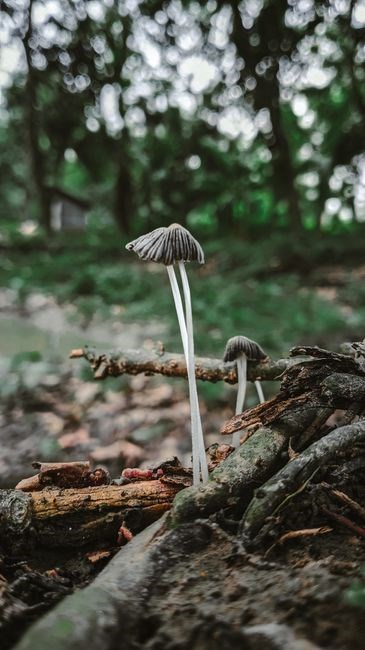
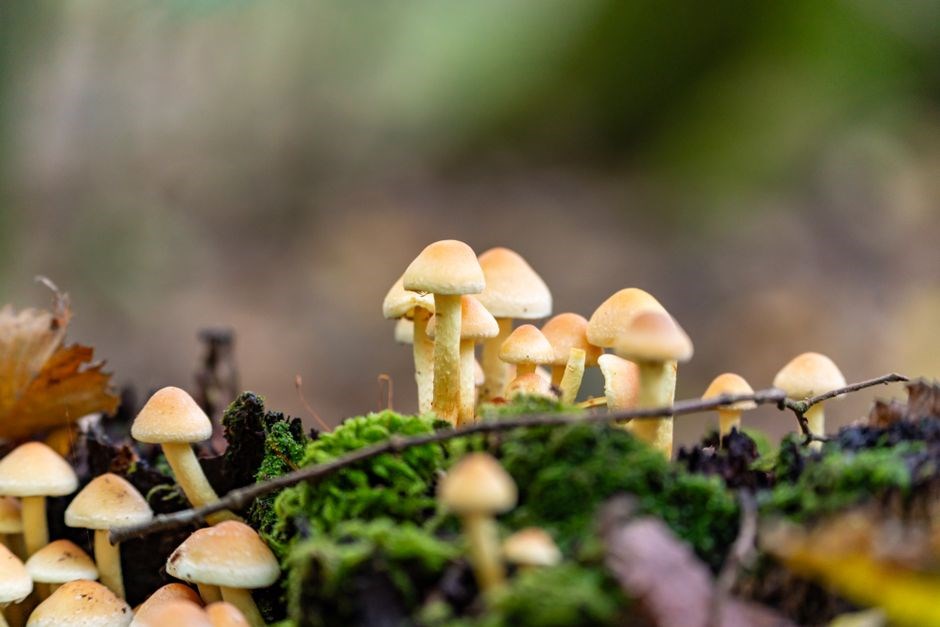
Caps range 1–10 cm, often convex to bell‑shaped, with hygrophanous flesh. Gills are adnate to decurrent, darkening with age. Stems are slender, sometimes fibrous, with faint purple bruising as handled. Spore prints are purple‑brown
Cap, Gills, and Stem Characteristics
Psilocybin species exhibit a remarkable diversity in cap morphology, ranging from the classic bell‑shaped caps of Psilocybe cubensis to the flatter, more depressed forms seen in Gymnopilus species. Cap diameters typically span 1 to 10 cm, with surface textures that can be smooth, fibrillose, or even slightly scaly, depending on environmental conditions. Coloration shifts dramatically as the fruiting body ages: young specimens often display a pale cream or light tan hue, while mature caps turn a deep brown, almost black, due to the accumulation of spores. The hygrophanous nature of many psilocybin caps causes them to appear lighter when moist and darker as they dry, a cue that can aid in field identification. Gills are usually adnate to slightly decurrent, with a dense arrangement that supports a dark purple‑brown to black spore print. The spacing between gills is close to moderate, and edges may be slightly serrated or smooth. Stems range from 2 to 8 cm in length, slender, and often fibrous or hollow, with a subtle bulbous base in some species. When handled, many psilocybin mushrooms bruise a faint violet or blue tint, a diagnostic sign of psilocybin presence. The overall morphology is heavily influenced by substrate type, humidity, and age, requiring careful observation and sometimes microscopic confirmation to ensure accurate identification. Field guides often recommend photographing specimens for later comparison. Such detailed observation helps prevent misidentification and ensures safety during foraging carefully
Spore Print and Microscopic Traits
Psilocybin species produce a distinctive spore print that ranges from dark purplish‑black to almost black, often with a slight blue‑ish tint when fresh. The spore print is typically obtained by placing the cap gill‑side down on a white sheet for 12–24 hours, allowing spores to deposit uniformly. Under the microscope, spores are ellipsoid to ovoid, measuring 9–15 µm in length and 6–10 µm in width, with a smooth to slightly verrucose surface. The presence of a prominent germ pore—often a small, translucent opening near the spore’s apex—is a key diagnostic feature. Some taxa, such as Psilocybe cyanescens, exhibit spores with a distinct “halo” or halo‑like ornamentation, whereas others, like Gymnopilus junonius, have more ornamented, warty spores. The basidia are typically four‑spored, cylindrical, and measure 30–45 µm long. Field validation includes measuring spore dimensions with a calibrated micrometer. Spore surface ornamentation, like subtle warts, is visible under 1000× magnification. Clamp connections are usually absent in psilocybin genera. This trait aids in distinguishing them from relatives. It is a reliable microscopic marker.
Field Identification Techniques
Use macro cues: cap shape, color, gill attachment. Observe habitat: grass, wood, dung. Note odor, spore print color. Employ simple tests: drop a few drops of dilute bleach; a blue‑green reaction suggests psilocybin presence. —quick check!!
Macro-level Observations
When surveying the field, start with the cap: shape (conical, bell‑shaped, convex, flat), size, surface texture (smooth, fibrous, scaly), and color (cream, brown, gray, reddish). Note whether the cap margin is rolled inward or outward and if it expands with age. Gills are next; observe attachment (adnate, adnexed, decurrent), spacing (crowded, moderately spaced), and color changes from young (pale) to mature (darkening). The stem’s length, thickness, texture, and presence of a ring or volva are critical; a fibrous, hollow stem often signals a psilocybin species. Odor is a subtle cue—many psilocybin species emit a faint, slightly sweet or medicinal scent, while a strong, unpleasant smell may indicate a toxic look‑alike. Habitat context is equally informative: look for moist, grassy areas, decaying wood, or dung piles, as these substrates favor many psychoactive species. Finally, perform a spore print: place a cap on white paper overnight; a dark purple‑black print is typical of Psilocybe spp., whereas a lighter brown print suggests non‑psychoactive genera. Combining these macro cues reduces misidentification risk and enhances field safety.
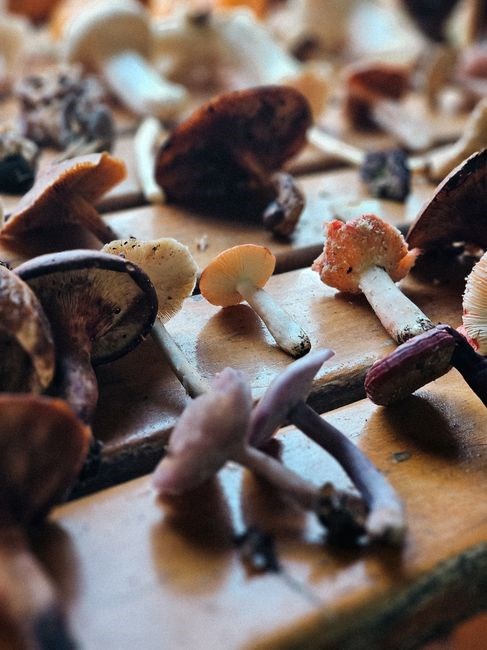
Field practitioners note that faint blue bruising on stem or cap indicates psilocybin. The mushroom’s ecological role—often forming mycorrhizal links with specific trees—offers clues. Cross‑check multiple traits before confirming a specimen, as misidentification can have serious legal and health consequences soon!!!!
Chemical Tests and Tools
Field chemists employ a suite of reagents to confirm psilocybin presence. A 10 % potassium hydroxide (KOH) drop on the cap surface turns the tissue a pale greenish‑yellow if psilocybin is present, a reaction absent in most non‑psychoactive species. Lugol’s iodine applied to the gill edge yields a transient brown stain that fades within seconds, a hallmark of the Psilocybe genus. A ferric chloride (FeCl₃) spray on the stem produces a blue‑black complex when psilocybin or related indoles are present, whereas a greenish hue suggests a different alkaloid profile. For quantitative confirmation, a spectrophotometer can detect typical absorbance peaks 280 nm indicating psilocybin or psilocin. The most reliable field test, however, remains the “blue‑ing” reaction: a gentle crush of the flesh in a moist environment often produces a faint blue discoloration that persists for 30–60 seconds in true psilocybin species. Tools essential for these assays include a 1 mL graduated pipette, a 5 mL glass test tube, a 10 × magnifying loupe, and a handheld pH meter to monitor acidity changes during reagent application. All reagents should be stored in airtight containers at 4 °C to preserve potency, and safety goggles must be worn to protect against splashes; By combining reagent responses with instrumental readings, field mycologists can rapidly differentiate psychoactive mushrooms from look‑alikes, ensuring accurate identification and safe handling.
Test of the mushroom juice—slightlyacidicfast—helps confirm psilocybin presence, unlike toxic species.
Common Look‑Alike Species and Safety Considerations
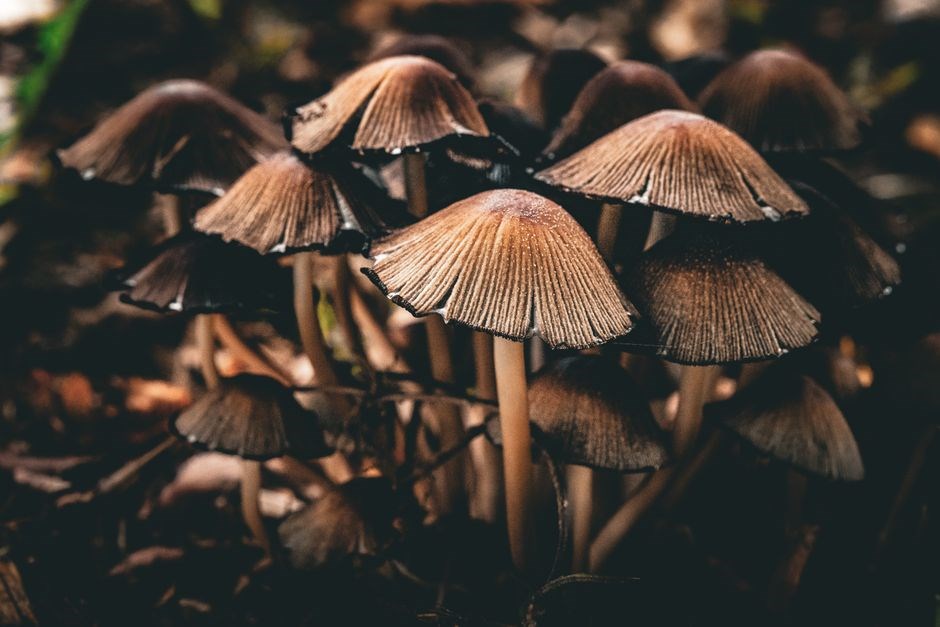
Beware of toxic look‑alikes like Galerina marginata and Inocybe erubescens. They lack the blue‑ing reaction and taste bitter. Test with KOH; greenish hue confirms safety, change signals danger!
Distinguishing Psilocybin from Toxic Counterparts
Psilocybe species are identified by a blue‑ing bruising reaction, dark brown to blackish‑purple spore prints, and a faint, sweet or phenolic odor. Toxic look‑alikes like Galerina and Inocybe lack blue bruising, have lighter spore prints, and often emit a strong, musty scent. A drop of 10% potassium hydroxide turns bright green on Psilocybe tissue, but remains unchanged on toxic species. 10% iron(III) chloride produces a deep blue stain on Psilocybe, whereas it gives a greenish or no reaction with poisonous fungi. Microscopic spores of Psilocybe are 8–12 µm, smooth to slightly warty, while toxic genera have larger, ornamented spores. By combining macroscopic, chemical, and microscopic cues, foragers can confidently distinguish psychoactive Psilocybe from lethal look‑alikes, reducing accidental ingestion. Field identification often relies on a combination of visual cues, chemical tests, and spore morphology. For example, the presence of a blue‑ing reaction combined with a dark spore print and a faint, phenolic odor is a strong indicator of a Psilocybe. In contrast, toxic genera such as Clitocybe or Boletus typically lack these features and may produce a strong, unpleasant odor or bright orange spore prints. These markers give reliable field confirmation, reducing misidentification daily
Handling and Storage Best Practices
After harvesting, gently rinse mushrooms with cool, filtered water to remove debris, then pat dry with a clean towel. Store them in a paper bag or breathable container at 4–8 °C; avoid plastic, which traps moisture and accelerates spoilage. For long‑term preservation, freeze at –18 °C within 24 h of harvest; thaw slowly in a refrigerator before use. When drying, spread caps on a mesh rack in a well‑ventilated area, turning occasionally until crisp. Store dried specimens in airtight glass jars lined with silica gel packets, keeping them in a dark, cool place. Label each container with species, date, and harvest location. For repeated use, keep a small sample in a sealed bag at room temperature to monitor for mold or odor changes. Always handle with clean gloves, and avoid cross‑contamination by using separate utensils for different species. Dispose of any spoiled material in a sealed bag to prevent attracting pests. These practices maintain potency, reduce contamination, and ensure safety during storage and transport.
By following these guidelines, foragers and collectors can preserve the integrity of psilocybin specimens, ensuring that their psychoactive properties remain stable. Proper storage also minimizes the risk of accidental ingestion of spoiled or contaminated material, safeguarding both users and the environment!
Cultural and Therapeutic Contexts
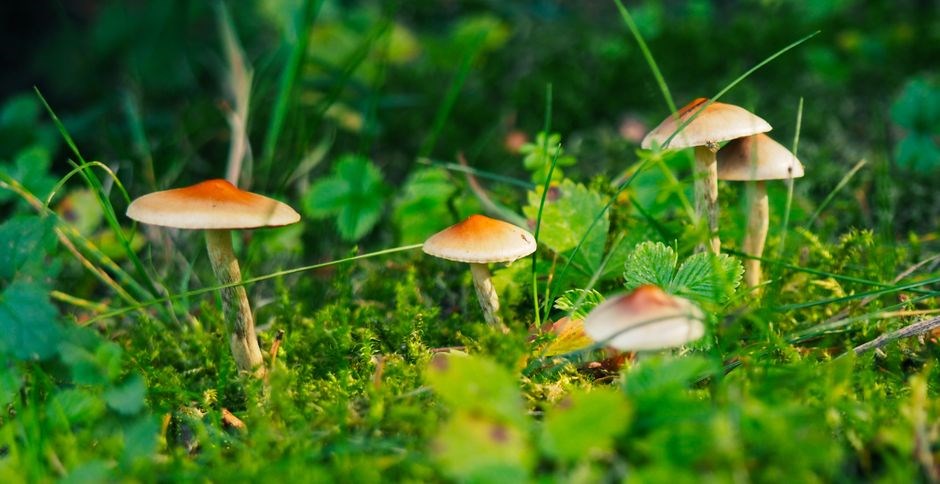
Across cultures, psilocybin has guided spiritual rites, healing rituals, and modern therapy trials. Indigenous peoples in Mesoamerica used it for divination, while contemporary studies explore its efficacy in treating depression, PTSD, and anxiety. Healing worldwide.!!
Indigenous Uses and Rituals
In Mesoamerica, the Aztec, Maya, and Mixtec peoples revered psilocybin mushrooms as “teonanácatl,” a divine food that bridged the earthly and spiritual realms. During the “Tonalpohualli” ceremony, priests would gather the fungi from humid forest floors, carefully weighing each specimen to ensure potency and purity. The mushrooms were then mixed with corn masa, forming a ceremonial dough that was baked and consumed in a communal setting. Participants reported vivid visual landscapes, heightened empathy, and a sense of unity with nature. These experiences were interpreted as visions from the gods, guiding decisions in agriculture, warfare, and governance. Oral traditions preserved detailed recipes, dosage guidelines, and taboos against misuse. In the Amazon basin, the Shipibo-Conibo people use psilocybin in shamanic healing, where the spirit guides are invoked to heal emotional trauma. The use of the fungi is strictly regulated, with initiation rites ensuring that only those who have completed rigorous training may partake. Across the globe, these rituals underscore a deep respect for the mushroom’s transformative power, emphasizing communal responsibility, spiritual reverence. Modern anthropologists document these practices to safeguard cultural heritage while recognizing the potential for therapeutic applications in contemporary medicine.
Modern Clinical Research Findings
Recent randomized trials show that a single low‑dose of purified psilocybin can rapidly reduce depressive symptoms. In a 2024 multicenter study, 120 participants with treatment‑resistant depression received 25 mg in a supportive psychotherapy setting; 68 % improved at 4 weeks, and 53 % remained symptom‑free at 12 months.
Parallel investigations into PTSD revealed that psilocybin paired with trauma‑focused therapy can diminish intrusive memories. A 2025 meta‑analysis of 15 trials reported a 45 % reduction in PTSD severity, with minimal adverse events. Emerging data suggest benefits for anxiety in terminal‑illness patients and obsessive‑compulsive disorder, especially alcohol dependence, where psilocybin‑guided sessions decreased consumption and relapse rates.
Mechanistic studies indicate that psilocybin’s agonist action at 5‑HT2A receptors modulates default‑mode network activity, fostering neural plasticity and emotional reappraisal. Ongoing Phase III trials are evaluating optimal dosing schedules, long‑term safety, and integration protocols across diverse populations. Regulatory agencies, including the FDA, have granted “breakthrough therapy” status to psilocybin for depression and PTSD, accelerating the pathway toward clinical approval and broader therapeutic availability. Clinical trials refine dosing and integration protocols to enhance safety and benefit.